
Introduction: Why Consider Residential Remodeling?
Residential remodeling is the process of renovating or updating a home to improve its functionality, aesthetics, and overall value. It involves making changes to various areas of the house, from small updates like painting walls to larger projects such as adding an extra room or expanding the kitchen. While some homeowners may hesitate when considering residential remodeling due to the cost and time involved, there are numerous benefits that make it a worthwhile investment.
Increase Property Value
One of the main reasons why many homeowners choose to remodel their homes is to increase its property value. A well-planned and executed remodeling project can significantly enhance the overall worth of your property. This can be particularly beneficial if you plan on selling your home in the future as it can attract potential buyers and potentially increase your profit. According to a report by Remodeling Magazine, minor kitchen remodels have an average return on investment (ROI) of 81%, while major remodels have an ROI of 59%. This means that even if you don’t plan on selling your home anytime soon, you will still see a significant return on your investment in terms of increased property value.
Improved Functionality
Another crucial benefit of residential remodeling is improved functionality within your living space. As our lifestyles evolve and change over time, so do our needs for our homes. By renovating or updating certain areas, you can tailor them to better suit your current lifestyle and needs. For example, if you now work from home more frequently, converting a spare room into a functional office space would greatly benefit you. Similarly, if you have young children or elderly family members living with you, making modifications such as installing grab bars in bathrooms or widening doorways for wheelchair accessibility can greatly improve functionality within your home.
Enhanced Aesthetics
Residential remodeling also allows homeowners to update their homes’ appearance according to current design trends and personal preferences. Whether it’s a fresh coat of paint, new flooring, or updated fixtures and appliances, these changes can transform the look and feel of your home. Aesthetics play a significant role in making a house feel like a home, and remodeling allows you to customize your living space to reflect your style and personality.
Residential remodeling offers numerous benefits that make it a smart choice for homeowners looking to improve their living spaces. From increasing property value to improving functionality and aesthetics, there are many reasons why you should consider embarking on a remodeling project for your home. In the following sections of this blog article, we will explore these benefits in more detail and how they can positively impact your daily life.
What is Residential Remodeling?
Residential remodeling, also known as home renovation or home improvement, refers to the process of making changes or updates to a residential property. This can involve anything from minor cosmetic changes to major structural alterations. The goal of residential remodeling is to enhance the functionality, aesthetics and value of a home.
There are many reasons why homeowners may choose to remodel their homes. Some may want to modernize their living space, while others may need more space for a growing family. Others may simply want to refresh the look and feel of their home or increase its energy efficiency.
The first step in any residential remodeling project is planning. It’s important for homeowners to have a clear idea of what they want to achieve with their remodel before beginning any work. This could involve creating a budget, developing a timeline and consulting with contractors or designers.
The scope of a residential remodeling project can vary greatly depending on the goals and needs of the homeowner. Some common types of projects include kitchen remodels, bathroom renovations, room additions and whole-house renovations.
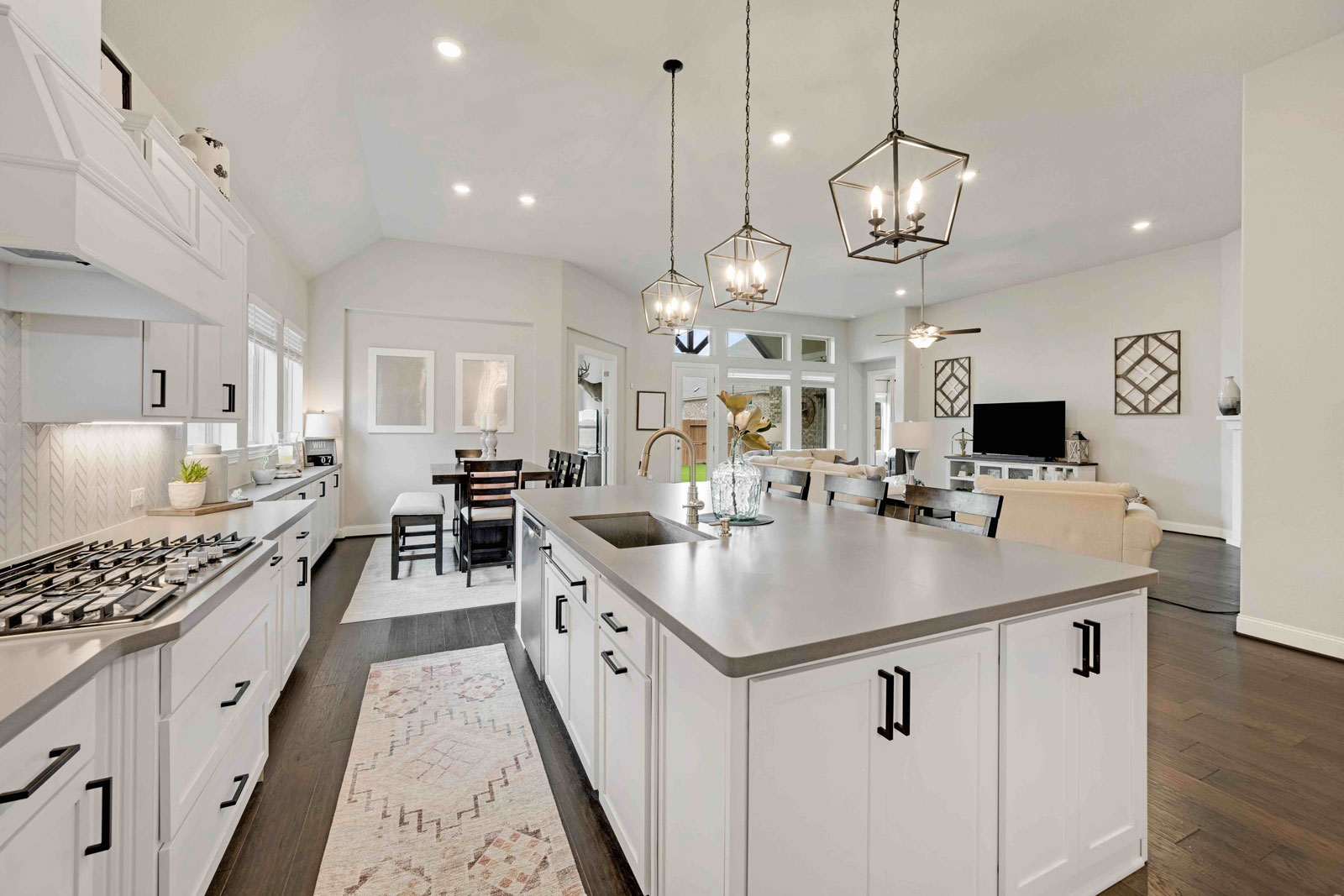
Kitchen remodels are one of the most popular types of residential remodeling projects. This involves updating or completely transforming the layout, design and functionality of a kitchen space. This could include installing new appliances, countertops, cabinets and flooring.
Bathroom renovations are another common type of residential remodeling project that can add significant value to a home. This can range from simple updates like replacing fixtures and tiling, to more extensive improvements such as expanding the size or adding luxury features like heated floors.
Room additions involve expanding an existing structure by adding more square footage. This could be used for creating additional bedrooms, bathrooms or living spaces within the home.
Whole-house renovations are larger-scale projects that encompass multiple rooms within a home. They often involve significant structural changes such as removing walls or adding extensions in order to create an open-concept living space.
Aside from improving the overall look and functionality of a home, there are numerous benefits to residential remodeling. It can increase the value of a property, making it more attractive to potential buyers in the future. It can also help save money on energy bills by incorporating more efficient materials and systems into the home.
Residential remodeling is a process that involves making changes and updates to a home with the goal of enhancing its functionality, aesthetics and value. It requires careful planning and consideration but can bring numerous benefits for homeowners in terms of both practicality and investment.
Benefits of Residential Remodeling:
1. Increased Property Value: One of the most significant benefits of residential remodeling is the increase in property value. By updating and renovating different areas of your home, you can attract potential buyers and command a higher price if you decide to sell in the future. In fact, according to a study by the National Association of Realtors, homeowners who completed a major kitchen renovation saw an average return on investment (ROI) of 62%.
2. Improved Functionality: As families grow and lifestyles change, so do our needs for space within our homes. Residential remodeling allows for customization and improvement of functionality to better suit your family’s unique needs. This could include adding an extra bedroom or bathroom, expanding living spaces, or creating a more open floor plan for better flow and interaction.
3. Energy Efficiency: With rising energy costs and growing concerns about environmental sustainability, many homeowners are turning to residential remodeling as a way to make their homes more energy-efficient. Replacing old windows with energy-efficient ones, upgrading insulation, or installing smart home technology can all lead to significant savings on utility bills.
4. Enhanced Aesthetic Appeal: Over time, our personal style preferences may change or our homes may start to look dated. Residential remodeling provides the opportunity to update the look and feel of your home according to current trends or your own personal taste. This can include changing paint colors, replacing outdated fixtures with modern ones, or updating flooring materials.
5 .Improved Comfort and Livability: A well-designed remodel can greatly improve overall comfort levels in your home by addressing issues such as poor lighting or ventilation. Additionally, upgrading appliances and fixtures can make daily tasks easier and more enjoyable.
6 .Better Safety Features: Outdated homes may have safety hazards that need addressing through residential remodeling projects such as electrical wiring that does not meet current building codes or old plumbing systems that pose risks for leaks and water damage.
7 .Opportunity for Personalization: Residential remodeling provides an opportunity to personalize your home and make it truly your own. This could include adding unique design elements, incorporating sentimental items into the decor, or creating dedicated spaces for hobbies or interests.
8 .Reduced Maintenance and Repair Costs: By addressing any underlying issues during a remodel, homeowners can prevent more significant and costly repairs in the future. Regular maintenance and upkeep of a remodeled home can also help to avoid expensive repair bills down the line.
Residential remodeling offers numerous benefits that not only improve the functionality and aesthetics of your home but also increase its value. Whether you are planning to sell your house or simply want to create a more comfortable living space for your family, investing in a residential remodel is a worthwhile decision.
Increased Property Value
Residential remodeling has become a popular trend among homeowners in recent years. Besides the obvious aesthetic improvements, one of the major benefits of remodeling your home is the potential to increase its property value. Whether you are planning to sell your house or simply want to enhance its overall worth, a well-executed remodel can significantly impact your home’s market value.
One of the main factors that determine a home’s value is its size and layout. By adding extra square footage through an addition or converting unused spaces into functional areas, such as turning a basement into a livable space, you are essentially increasing the usable area of your home. This not only provides more living space for current occupants but also adds value to the property by making it more attractive to potential buyers.
In addition to increasing square footage, upgrading key features and amenities in your home can also have a positive effect on its value. For example, renovating outdated kitchens and bathrooms with modern fixtures and finishes can significantly boost the appeal and perceived value of your home. These are high-traffic areas that potential buyers pay close attention to during house viewings, making them crucial selling points.
Moreover, energy-efficient upgrades such as installing solar panels or upgrading insulation can also add significant value to your property. In today’s environmentally-conscious society, eco-friendly features are highly desirable among homeowners and often result in higher resale values.
Another important aspect that contributes to increased property values after remodeling is curb appeal. The exterior appearance of your home is often what first captures a buyer’s attention and creates their initial impression. By investing in exterior renovations such as repainting, landscaping, or updating siding and roofing materials, you can significantly improve curb appeal and make your home stand out in comparison to others in the neighborhood.
Furthermore, regularly maintaining and updating key components like plumbing systems, electrical wiring, heating/cooling systems not only ensures functionality but also adds long-term value to your property. Potential buyers are often willing to pay more for a home that is up-to-date and does not require immediate repairs or replacements.
Residential remodeling can greatly increase your home’s value through various means such as increasing square footage, upgrading features and amenities, incorporating energy-efficient elements, improving curb appeal, and maintaining essential components. By investing in a well-planned remodel, you are not only enhancing your living space but also making a sound financial decision that can have long-term benefits.
Personalization and Customization
Personalization and customization are two key factors to consider when embarking on a residential remodeling project. These elements allow homeowners to truly make their space their own, tailoring it to fit their unique needs, preferences, and lifestyle. In this section, we will explore the benefits of personalization and customization in residential remodeling.
One of the main advantages of personalization is the ability to create a space that reflects your personality and style. Every individual has their own taste and vision for how they want their living environment to look like. By customizing your home through remodeling, you have the opportunity to bring your ideas to life and make your space truly one-of-a-kind. This can range from incorporating specific color schemes or furniture pieces that speak to you, to implementing architectural designs that reflect your interests or culture.
Moreover, personalization allows homeowners to optimize their space according to their specific needs. For example, families with young children may prioritize safety features such as rounded edges on furniture or slip-resistant flooring. On the other hand, empty nesters may focus on creating an open floor plan for entertaining guests. By customizing your home’s layout and features, you can ensure that every aspect of your living space is tailored towards enhancing your daily life.
Another benefit of personalization in residential remodeling is increased functionality and organization. When redesigning a home according to one’s needs and preferences, individuals can strategize storage solutions and organizational systems that cater specifically to them. This not only helps reduce clutter but also makes day-to-day tasks more efficient by having everything easily accessible.
Along with personalization comes customization, the process of creating something uniquely suited for an individual’s tastes or requirements. With advancements in technology and design techniques, homeowners now have access to a wide range of customizable options for various aspects of their home remodels, from cabinetry designs and lighting fixtures to smart home automation systems.
Furthermore, customization allows homeowners to incorporate sustainable materials into their remodels, reducing their environmental impact and creating a healthier living space. For instance, individuals can choose to use energy-efficient appliances or opt for sustainable building materials such as bamboo flooring or recycled glass countertops. This not only benefits the environment but also adds value to the home in the long run.
Personalization and customization are integral components of residential remodeling that offer numerous benefits. From reflecting one’s personality and optimizing functionality to incorporating sustainable elements, these factors allow homeowners to revamp their spaces into a personalized oasis that they can truly call their own.

Enhanced Comfort and Functionality: The Key Benefits of Residential Remodeling
Residential remodeling is not just about giving your home a fresh new look, but it also aims to enhance the overall comfort and functionality of your living space. In this section, we will delve deeper into the key benefits of residential remodeling in terms of improving the comfort and functionality of your home.
1. Personalized Space: One of the biggest advantages of residential remodeling is that it allows you to customize your living space according to your specific needs and preferences. Whether it’s expanding a room, adding more storage space or incorporating unique design elements, remodeling gives you the freedom to create a personalized space that truly reflects your personality and lifestyle.
2. Improved Layout: Over time, as our families grow or our needs change, our homes may start feeling cramped or inefficient. Through strategic remodeling, you can optimize the layout of your home to make it more functional and efficient. This could involve knocking down walls to create an open floor plan or reconfiguring rooms to better suit your current needs.
3. Better Storage Solutions: Lack of storage is a common issue in many homes, leading to cluttered and disorganized spaces. Residential remodeling can help solve this problem by introducing clever storage solutions such as built-in cabinets, shelves, or even hidden storage under stairs or furniture. These additions not only provide much-needed storage but also help declutter and streamline your living space.
4. Upgraded Fixtures and Appliances: Another aspect that greatly impacts the comfort and functionality of a home is its fixtures and appliances. Outdated fixtures not only look old-fashioned but can also be inefficient and prone to malfunctions. With residential remodeling, you have the opportunity to upgrade these elements with newer models that are energy-efficient, aesthetically pleasing, and offer improved performance.
5. Energy Efficiency: Speaking of energy efficiency, another significant benefit of residential remodeling is reducing energy consumption in your home. From installing energy-efficient windows and doors to upgrading insulation, remodeling can help make your home more environmentally-friendly while also reducing your utility bills.
6. Accessibility: As we age, our needs for accessibility may change, whether it’s due to mobility issues or other health concerns. With residential remodeling, you can make necessary modifications to your home to ensure it remains accessible and safe for everyone in the household. This could include adding ramps or handrails, widening doorways, or even incorporating smart technology for convenience.
Residential remodeling not only enhances the visual appeal of your home but also greatly improves its comfort and functionality. By creating a personalized space that meets your unique needs and lifestyle, you can truly transform your living space into a haven for relaxation and functionality.
Improved Energy Efficiency
Improving energy efficiency is a critical aspect of any residential remodeling project. Not only does it help reduce your carbon footprint and contribute to a more sustainable environment, but it also has numerous benefits for homeowners. From reducing energy bills to creating a more comfortable living space, investing in improving energy efficiency during a remodel can have long-lasting impacts.
One of the main reasons why homeowners choose to improve their home’s energy efficiency is to save money on utility bills. A well-insulated home with efficient heating and cooling systems can significantly decrease the amount of energy needed to maintain a comfortable temperature. This means that you will see a noticeable decrease in your monthly electricity or gas bill, allowing you to save money in the long run.
In addition to cost savings, improving the energy efficiency of your home also contributes to its overall comfort. By sealing air leaks and upgrading insulation, you can prevent drafts and create a more consistent temperature throughout your house. This not only improves your comfort but also reduces strain on your heating and cooling systems, extending their lifespan.
Another benefit of improved energy efficiency is its positive impact on the environment. Residential buildings are responsible for about 20% of greenhouse gas emissions in the United States alone (EPA). By making changes such as using renewable energy sources or installing Energy Star certified appliances during a remodel, you can significantly reduce your household’s carbon footprint.
Moreover, investing in energy-efficient upgrades during a remodel adds value to your property. Potential buyers are increasingly looking for homes with eco-friendly features that will help them save money on utility bills while minimizing their environmental impact. Therefore, improving energy efficiency in your home can make it more attractive to potential buyers if you ever decide to sell it.
Additionally, some states offer incentives or tax credits for homeowners who make environmentally friendly upgrades such as solar panels or Energy Star appliances. These incentives not only offset some of the initial costs but also add value to your investment by further reducing future expenses on energy bills.
Improving energy efficiency during a residential remodel has numerous benefits for homeowners. From cost savings and added comfort to contributing to a more sustainable environment and increasing property value, it is an investment that yields both immediate and long-term benefits. So, if you are planning a home renovation project, make sure to consider incorporating energy-efficient upgrades into your plans.
Types of Residential Remodeling:
1. Kitchen Remodeling: The kitchen is often considered the heart of a home, and it is also one of the most popular areas for residential remodeling. This type of remodeling can range from small upgrades like changing countertops or cabinets to a complete overhaul that includes new appliances, layout changes, and even adding a kitchen island. Kitchen remodeling not only enhances the aesthetic appeal of your space but can also increase its functionality and efficiency.
2. Bathroom Remodeling: Bathrooms are another area that greatly benefits from residential remodeling. From simple updates like replacing fixtures and tiles to more extensive renovations such as expanding the space or installing a luxurious walk-in shower, bathroom remodeling can transform this essential room into a relaxing oasis. It can also increase the value of your home and make it more appealing to potential buyers.
3. Basement Finishing: Many homeowners overlook their basement as a potential living space, but with proper remodeling, it can become an invaluable addition to your home. A finished basement can serve as an extra bedroom, home office, entertainment room, or even a rental unit depending on your needs and preferences. Not only does this add usable square footage to your home but it also increases its value.
4. Room Additions: For those who need more living space but do not want to move out entirely, room additions provide an excellent solution. Whether you want to add another bedroom for a growing family or expand your living room for better entertaining opportunities, room additions are versatile and can be tailored according to your specific requirements.
5. Outdoor Living Spaces: Residential remodeling isn’t just limited to the interior of your house; it extends outdoors as well! Creating functional outdoor spaces such as decks, patios, or even screened porches allows you to enjoy nature while still being in the comfort of your own home. These spaces are perfect for hosting parties or simply relaxing with family and friends.
Residential remodeling offers a variety of options to revamp your space and enhance your overall living experience. Whether you want to increase the value of your home or make it more functional and aesthetically pleasing, there is a type of residential remodeling that can cater to your needs. With the help of a professional contractor, you can transform your house into the home of your dreams.
Cosmetic Renovations
Cosmetic renovations are a popular and effective way to revamp your space without major structural changes. These types of renovations focus on improving the aesthetic appeal and functionality of your home, making it more visually appealing and comfortable to live in.
One of the biggest benefits of cosmetic renovations is the instant transformation they provide. With just a few changes, you can completely change the look and feel of a room or even an entire house. This is especially useful for those who have recently purchased an older home with outdated designs or for those who want to give their current space a fresh new look.
Another advantage of cosmetic renovations is that they are typically less time-consuming and less expensive than major remodeling projects. While large-scale renovations may require weeks or even months to complete, cosmetic updates can often be done within a matter of days. This also means that you won’t have to disrupt your daily routine as much during the renovation process.
Furthermore, investing in cosmetic renovations can significantly increase the value of your home. By modernizing and updating the appearance of your property, you will make it more attractive to potential buyers if you ever decide to sell in the future.
In addition, cosmetic renovations allow you to personalize your space according to your own taste and preferences. Whether it’s adding a fresh coat of paint, changing out old fixtures for new ones, or incorporating trendy design elements, these updates can truly reflect your unique style and personality.
But beyond just visual improvements, cosmetic renovations also offer functional benefits for homeowners. For instance, replacing old appliances with energy-efficient ones not only enhances the aesthetics but also reduces utility costs in the long run. Replacing worn-out flooring or countertops not only improves their appearance but also makes them easier to maintain.
By investing in cosmetic renovations now, you may be able to avoid costly repairs in the future. Regular maintenance and updates can prevent small issues from turning into larger problems down the road.
Cosmetic renovations are a great way to revamp your space and improve the overall look and functionality of your home. With their instant transformation, affordability, potential for increased property value, personalization options, and functional benefits, it’s no wonder why they are a popular choice among homeowners. So if you’re looking to give your home a fresh new look without breaking the bank or causing major disruptions, consider investing in cosmetic renovations today.
Structural Changes
Structural changes are a major aspect of any residential remodeling project. These changes involve altering the layout and overall design of a space, often by adding or removing walls, windows, doors, or even entire rooms. While these changes may seem daunting at first, they can have numerous benefits for both the functionality and aesthetics of your home.
One of the main advantages of structural changes is that they allow for a more efficient use of space. By removing unnecessary walls or partitions, you can create an open floor plan that maximizes the available square footage and creates a more spacious and airy atmosphere. This is especially beneficial in smaller homes where every inch counts.
In addition to improving functionality, structural changes can also enhance the overall flow and circulation within your home. For example, by relocating a staircase or widening hallways, you can improve accessibility between different areas and make it easier to move around your home. This not only makes daily tasks more convenient but also improves the overall livability of your space.
Another benefit of structural changes is their ability to modernize and update the look of your home. By removing outdated elements such as heavy wooden beams or small windows, you can create a more contemporary and visually appealing aesthetic. Additionally, opening up spaces with larger windows or skylights can bring in more natural light, making your home feel brighter and more inviting.
Structural changes also offer an opportunity to improve energy efficiency in your home. By replacing old windows with energy-efficient ones or insulating walls during construction, you can reduce heat loss and save on energy bills in the long run.
Moreover, making structural changes during a remodel allows for better customization according to your specific needs and preferences. You may choose to add new rooms like a home office or media room that cater to your lifestyle better than what was previously available in your house. You could also incorporate unique features like built-in storage solutions or custom-built furniture that optimize space utilization while adding a personal touch to your home.
However, it’s important to keep in mind that structural changes can be complex and require professional expertise. It’s crucial to work with a licensed contractor who has experience in handling such projects and can ensure the safety and stability of your home.
Structural changes can significantly transform the look, feel, and functionality of your living space. From improving efficiency and flow to adding personalization and updating aesthetics, these changes have numerous benefits for homeowners looking to revamp their space. By carefully planning and working with trusted professionals, you can achieve a successful remodel that meets all your needs and enhances your overall living experience.
Functional Upgrades
Functional upgrades are a key component of any residential remodeling project. These upgrades not only enhance the aesthetic appeal of your home, but also improve its functionality and practicality. In this section, we will delve deeper into the various functional upgrades that can transform your space and make it more efficient.
One of the most popular functional upgrades is kitchen remodeling. The kitchen is often referred to as the heart of the home, and for good reason. It is not just a place to prepare meals, but also a gathering spot for family and friends. By upgrading your kitchen, you can create a more inviting and efficient space. This could include installing new countertops, adding extra storage cabinets or drawers, upgrading appliances or even creating an open concept layout by removing walls.
Another common functional upgrade is bathroom remodeling. A well-designed bathroom can greatly increase the value of your home while providing much-needed comfort and convenience. Upgrading fixtures such as sinks, faucets, showers or bathtubs can instantly elevate the look and feel of your bathroom. Additionally, incorporating features like heated flooring or a spa-like shower can add a touch of luxury to your daily routine.
Storage solutions are another aspect to consider when it comes to functional upgrades in residential remodeling. Many older homes lack adequate storage space which leads to cluttered living areas. By adding built-in shelving units, closet organizers or even under-stair storage options, you can maximize every inch of available space in your home.
Lighting plays a crucial role in both functionality and ambiance within a home. Upgrading lighting fixtures with energy-efficient options not only reduces electricity costs but also improves overall visibility in different rooms throughout the house. You may also want to consider installing dimmer switches for adjustable lighting levels based on specific activities or mood setting.
Technological advancements have opened up endless possibilities for functional upgrades in homes today. From smart thermostats and security systems to remote-controlled lighting and entertainment systems, these modern upgrades offer convenience, energy efficiency and enhanced functionality to your living space.
Functional upgrades are a fundamental aspect of residential remodeling as they not only improve the practicality of your home but also add value and make it a more enjoyable place to live. By carefully selecting the right upgrades for your specific needs and budget, you can transform your space into one that is both beautiful and highly functional.
Planning Your Residential Remodel:
Undertaking a residential remodel can be an exciting and daunting experience. It involves transforming your living space into something new and improved, but it also requires careful planning to ensure a successful outcome. In this section, we will discuss the key steps for planning your residential remodel.
1. Define Your Goals: Before starting any renovation project, it is important to have a clear idea of what you want to achieve. Ask yourself why you want to remodel your home and what specific changes you hope to make. Are you looking for more space? Do you want to update outdated features? Knowing your goals will help guide your decisions throughout the entire process.
2. Set a Realistic Budget: One of the most crucial aspects of planning for a residential remodel is setting a budget. Determine how much you are willing and able to spend on the project, and make sure to leave some room for unexpected expenses that may arise during construction. It is also essential to prioritize which areas or features are most important to you so that you can allocate funds accordingly.
3. Research and Gather Inspiration: Take the time to research different design ideas and gather inspiration from various sources such as home renovation magazines, websites, or social media platforms like Pinterest or Instagram. This will help give you an idea of what styles and features appeal to you and can serve as a reference when working with contractors or designers.
4. Hire Professionals: Unless you have extensive experience in home renovations, it is highly recommended that you hire professionals for your project. A reputable contractor or designer can provide invaluable expertise, guidance, and assistance with navigating through all stages of the remodel process, from creating plans and obtaining permits to managing construction work.
5. Create Detailed Plans: Once you have defined your goals, set a budget, gathered inspiration, and hired professionals; it’s time to create detailed plans for your remodel project. This should include layout drawings with precise measurements, material selections, and a timeline for the project. Having a clear plan in place will help to keep the project on track and ensure that everyone involved is on the same page.
Proper planning is essential for a successful residential remodel. It not only helps you stay organized but also ensures that your vision is realized within your budget and desired timeframe. By following these steps, you can embark on your renovation journey with confidence and turn your house into the home of your dreams.
Setting a Budget
Setting a budget is an essential step when it comes to residential remodeling. Without proper planning and financial considerations, the project can quickly become overwhelming and end up costing you more than anticipated. By setting a realistic budget from the beginning, you can avoid unnecessary stress and ensure that your home renovation project stays on track.
The first step in setting a budget for your residential remodel is determining how much you are willing to spend. This amount should be based on your overall financial situation, including any savings or loans that you may have available. It’s important to be honest with yourself about what you can afford to avoid getting into debt or overspending.
Next, it’s crucial to prioritize which areas of your home need the most attention and allocate funds accordingly. For example, if your kitchen is in dire need of an upgrade but your living room just needs a fresh coat of paint, then it makes sense to allocate more money towards the kitchen renovation. Keep in mind that unexpected costs may arise during the remodeling process, so it’s always wise to leave some room in your budget for unforeseen expenses.
Once you have determined how much you are willing to spend and where those funds will go, it’s time to start researching costs for materials and labor. Be sure to get quotes from multiple contractors and compare prices before making any decisions. It may also be helpful to create a spreadsheet or use a budgeting app to track all of your expenses throughout the project.
In addition to material and labor costs, don’t forget about other expenses such as permits or design fees. These can add up quickly and should also be factored into your overall budget.
Another crucial aspect of setting a budget for residential remodeling is being realistic about timelines. Rushing through a project may result in poor quality workmanship or cutting corners which could end up costing more in the long run. On the other hand, stretching out a project too long can lead to additional fees from contractors and disrupt your daily routine.
Don’t be afraid to make adjustments to your budget as needed. If you find that costs are higher than anticipated, consider scaling back on some aspects of the project or finding ways to save money such as opting for more affordable materials.
Setting a budget for your residential remodel is a vital step towards achieving your dream home while also avoiding financial strain. Take the time to thoroughly plan and research costs before starting any renovations to ensure a successful and stress-free remodeling experience.
Choosing a Design Style
Choosing a design style for your residential remodeling project is an exciting and crucial step. It sets the tone and aesthetic of your entire space, and can greatly impact the overall outcome of your renovation. With so many different design styles to choose from, it can be overwhelming to narrow down your options. However, by considering factors such as your personal preferences, existing elements in your home, and functionality needs, you can confidently select a design style that best suits your space.
The first step in choosing a design style is to assess your personal preferences. What do you want the overall mood or atmosphere of your space to be? Do you prefer a more traditional and classic look or a modern and contemporary feel? Are there any specific colors or patterns that you are drawn to? These questions will help guide you towards a particular design style that aligns with your tastes.
It’s also important to consider the existing elements in your home when selecting a design style. You want to create a cohesive and harmonious look throughout all areas of your house. For instance, if you have beautiful exposed brick walls or hardwood floors, these elements may influence the type of design style you choose. Alternatively, if there are certain features that you dislike or want to change in your current space, these can also inform which design styles would work better for achieving the desired result.
Functionality should also play a significant role in deciding on a design style. While aesthetics are essential, it’s equally important to ensure that the chosen style meets the functional needs of your household. For example, if you have children or pets, durability and practicality should be considered when selecting materials and furniture pieces for high-traffic areas.
Another helpful tip when choosing a design style is to gather inspiration from various sources such as magazines, online platforms like Pinterest or Houzz, or even visiting showrooms for hands-on experience with different styles. This allows you to see how different elements come together visually and envision how they would look in your own space.
Selecting a design style for your residential remodeling project requires careful consideration of personal preferences, existing elements, functionality needs, and inspiration from various sources. By taking the time to analyze these factors, you can confidently choose a design style that will transform your space into the home of your dreams.